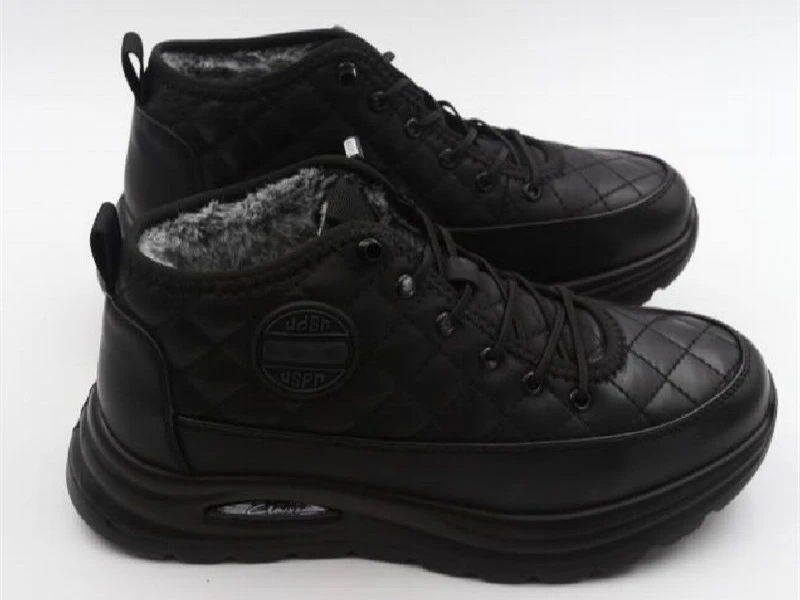
Routine Maintenance and Storage: Clean regularly after use. Rubber footwear may be rinsed with water or disinfectant and air-dried. Soles should be cleaned periodically to prevent the accumulation of dirt, which could compromise the protective performance of specialized footwear such as insulating or anti-static shoes. Store in a cool, dry, and well-ventilated area away from heat sources or damp environments to prevent material aging, deformation, or mold growth.
Maintenance Requirements for Specialized Footwear: Footwear with specific electrical properties-such as insulating or anti-static shoes-requires a regular testing regimen (e.g., checking electrical resistance monthly or every 200 hours of use) to ensure continued protective effectiveness. If insulating shoes become wet, they should be air-dried; do not expose them to open flames or direct sunlight. It is recommended to keep multiple pairs of the same model on hand to rotate usage and extend the service life of each pair.
Regular Inspection and Replacement: Periodically inspect the condition of the uppers and soles, as well as protective components such as steel toe caps and puncture-resistant insoles. Discontinue use and replace the footwear immediately if significant damage, deformation, or cracking is observed, or if protective performance may have been compromised by wear. Do not alter the construction of the safety footwear.