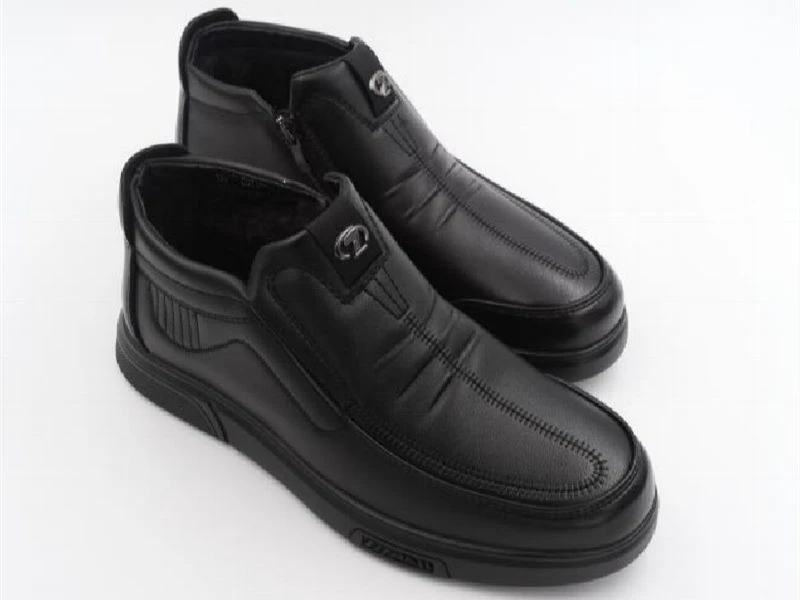
Selecting safety shoes should be grounded in an understanding of safety protection standards and classifications; in the Chinese market, compliance with the mandatory national standard GB 21148-2020 (*Foot Protection – Safety Shoes*) is a fundamental requirement. Safety shoe performance is categorized into specific levels-for instance, impact protection is measured by impact energy and compression resistance, while puncture resistance depends on the sole's strength against penetration.
Selection should be based on the specific nature and severity of hazards in the work environment. Key types include impact-resistant shoes (protecting against falling objects), puncture-resistant shoes (protecting the sole), electrically insulating shoes (for electrical work), anti-static and conductive shoes (for flammable or explosive environments), acid- and alkali-resistant shoes, waterproof shoes (for wet areas), slip-resistant shoes (featuring specialized sole materials and tread patterns), and shoes designed for extreme temperatures (heat-resistant or cold-resistant). Since no single shoe can address every risk, it is essential to identify the primary hazards of the specific workplace.
The structure and materials of safety shoes directly impact their protective efficacy and durability. Toe cap materials include steel, aluminum alloy, and composite materials, all designed to prevent toe compression. The height and material of the upper affect ankle support and protection, while the thickness, toughness, and breathability of materials like leather or synthetics influence wearer comfort. Sole materials-such as rubber or polyurethane (PU)-offer distinct properties; key factors include tread design for slip resistance, abrasion and oil resistance, and arch support.
Comfort and ergonomic design are equally important, as they determine whether the shoes can be worn for extended periods without causing fatigue or operational errors. Critical aspects include the fit of the internal space (last shape), the use of shock-absorbing insoles and moisture-wicking linings, and the overall weight of the shoe.
When purchasing, one should inspect the shoe's appearance, markings, and instruction manual, and ensure the product is bought through legitimate channels. In addition to selecting the appropriate type of protective footwear based on working conditions, the shoes or boots should fit well and be comfortable to wear; it is advisable to try them on before purchasing. New footwear requires a break-in period and should not be used immediately for high-intensity tasks. Proper care is essential after use: rubber footwear should be rinsed with clean water or disinfectant and air-dried, then stored in a cool, dry, and well-ventilated area to extend its service life.